Managed vs Unmanaged Switches: What the Price Difference Buys
By Marcus Webb · Published · Updated · 3 min read
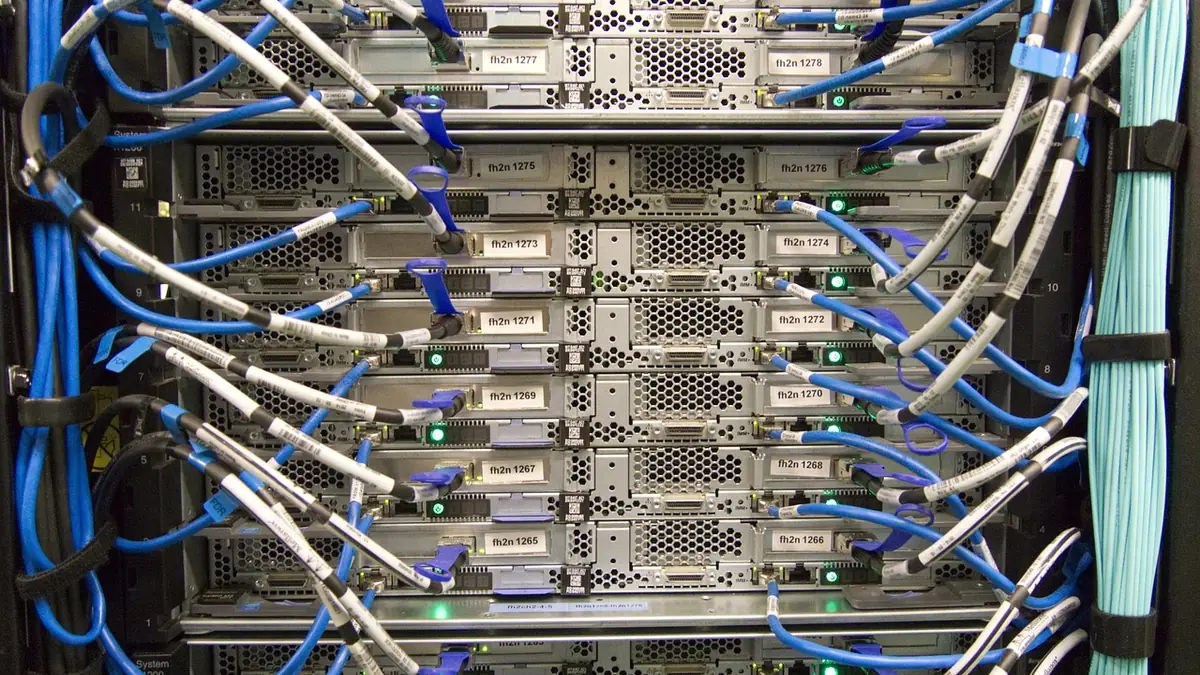
A 24-port unmanaged switch costs roughly $80-150. A comparable managed model runs $300-900, and a layer-3 unit with PoE can pass $1,500. The gap is real, and it is not marketing noise: you are paying for a CPU, firmware, a management interface, and the ongoing attention that interface demands.
The useful question is not which type is "better" but how much control your network actually needs. Below is what the premium buys in concrete terms, where it pays off, where it quietly becomes a maintenance tax, and the numbers behind a sensible decision for small and mid-sized offices.
What an Unmanaged Switch Actually Does
An unmanaged switch is a power strip for Ethernet. It learns MAC addresses, forwards frames to the right port, and does nothing else. There is no IP address, no login, no configuration file to back up. Plug it in and traffic flows.
That simplicity is a feature. Unmanaged units have no firmware to patch, no admin password to rotate, and no way for a misclick to take down a VLAN. Failure rates are low, and a cold spare on the shelf costs less than a single hour of a network engineer's time. For a small office with one flat network, this is often the correct answer.
- No configuration or admin credentials
- No firmware patching cycle
- Typical 24-port gigabit unit: $80-150
- Best for flat, single-VLAN networks with no guest isolation
Where the Managed Premium Goes
Managed switches carry a management CPU, more RAM and flash, and a firmware stack with a web UI, CLI, and often SNMP. That hardware and software bill is most of the price gap. The rest is support: vendors ship security patches for years, and someone has to apply them.
The features that matter in practice are VLANs, port mirroring, link aggregation, spanning tree, QoS, and 802.1X. You rarely need all of them. A small office might use VLANs to separate guest Wi-Fi and a couple of PoE cameras, and ignore everything else. Paying for layer-3 routing you never configure is money left on the table.
- VLAN segmentation for guests, voice, and devices
- Port mirroring for troubleshooting and monitoring
- Link aggregation for uplinks and servers
- 802.1X port authentication
- SNMP monitoring and alerting
The Hidden Recurring Cost
The purchase price is only part of the story. A managed switch needs an owner: someone who documents VLAN IDs, saves a config backup, and applies firmware updates on a schedule. In a 40-person office, that is plausibly two to four hours a quarter, or roughly $400-1,200 a year in labor depending on who does it.
Unmanaged units have none of that. This is why the break-even usually lands not on the hardware price but on whether the extra control prevents an incident or a support call. If a guest device on your flat network can reach the finance server, the VLAN capability alone justifies the premium. If not, the managed unit may just be a device you forget to patch.
- Budget 2-4 hours per quarter for patching and config review
- Keep a documented config backup off-device
- Assign a named owner, or the switch becomes unmanaged in practice
Power over Ethernet Changes the Math
PoE is where managed switches earn their keep fastest. If you are running IP phones, access points, or cameras, a PoE switch removes a power injector at every device and lets you reboot a stuck camera remotely by cycling the port. That single capability saves site visits.
Unmanaged PoE switches exist and cost $200-400 for 8-16 ports, but they give you no per-port control. Managed PoE lets you see wattage draw per port, set priority so the access point stays up when the budget is tight, and schedule port resets. In an office with more than a handful of PoE devices, the management layer pays for itself in avoided trips.
| Class | Typical price | PoE | Config needed | Best fit |
|---|---|---|---|---|
| Unmanaged, 8-port | $25-50 | No | None | Desk, lab, small closet |
| Unmanaged, 24-port | $80-150 | No | None | Flat office network |
| Unmanaged PoE, 8-16 port | $200-400 | Yes | None | A few cameras or APs |
| Smart/managed lite, 24-port | $250-450 | Optional | Web UI only | Small office needing VLANs |
| Fully managed L2, 24-port | $400-900 | Optional | CLI + web UI | Core of a 20-100 person office |
| Managed L2+ PoE+, 24-port | $700-1,500 | Yes, 370W+ | CLI + web UI | Phones, APs, cameras at scale |
| Managed L3, 24-48 port | $1,200-3,000 | Varies | CLI + web UI | Multi-VLAN, routing, larger sites |
Sizing Ports, Uplinks, and Spares
Buy for roughly 30-40% headroom on port count. A 24-port switch serving 18 active drops leaves room for growth and for a dead port. On the uplink, a single gigabit link is fine for most offices under 50 people, but a 10G SFP+ uplink costs $100-200 more and removes a future bottleneck if you add servers or NAS traffic.
Spares matter more than brand. Keeping one unmanaged 8-port unit on the shelf handles emergencies; for managed gear, keep the config file, not a spare chassis. If you are also sizing circuits and Wi-Fi, bandwidth planning for a remote-heavy team covers the demand side before you commit to port speeds.
Making the Decision
Choose unmanaged when the network is flat, small, and unlikely to grow, or when it feeds a single room or lab bench. Choose managed when you need VLAN separation, PoE control, monitoring, or 802.1X, or when the switch sits at the core of an office with more than about 20 users.
A common pattern is a hybrid: a managed core switch with a few unmanaged edge units in closets and meeting rooms. That keeps cost down while preserving segmentation and visibility where it counts. If hardware sits in a rack you rent or own, pair this with a realistic view of cloud versus colocation monthly costs so the network budget reflects the whole picture.
- The hardware gap is $200-700 per switch; the labor gap is often larger over five years.
- Buy managed only for features you will actually configure: VLANs, PoE control, monitoring, 802.1X.
- Keep a config backup and a named owner, or a managed switch becomes unmanaged with extra steps.
- A hybrid of managed core plus unmanaged edge keeps cost and complexity down.
Marcus writes about networking, cabling, and day-to-day IT operations. He prefers straightforward comparisons and calculators that help readers size equipment before they buy.